
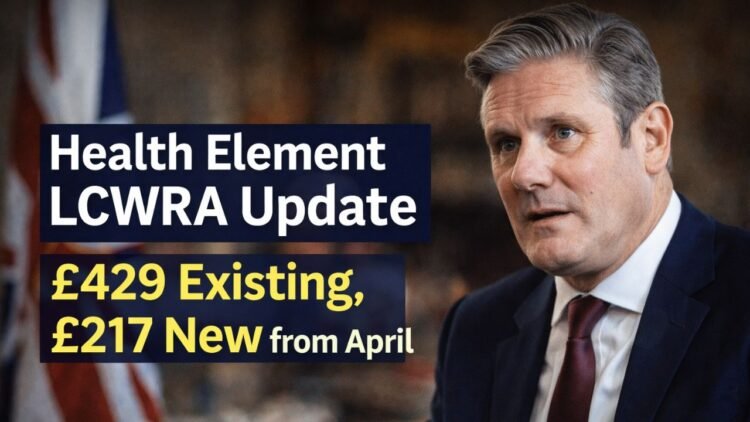
The UK benefits system is undergoing a major change that will affect thousands of people claiming Universal Credit with the Limited Capability for Work and Work-Related Activity (LCWRA) health element. From 6 April 2026, the way the health element is paid will change, with new rates coming into force and current claimants protected under specific conditions. This article explains every detail of these changes, including the current and future payment rates, who is eligible, how the rules work, deadlines you must know, and what these changes mean for benefit claimants.
What Is the LCWRA Health Element?
The LCWRA health element is an extra payment within Universal Credit for people whose health condition or disability affects their ability to work and who have been assessed through a Work Capability Assessment (WCA). This payment recognises that some people face additional challenges and may not be able to work due to long-term health concerns.
Key Universal Credit LCWRA Rates: Current vs New
From April 2026, the LCWRA health element will move to a two-tier system. Claimants will receive one of two monthly amounts depending on when they qualified and their health circumstances.
| Rate Type | Current Amount (before April 2026) | New Amount (from 6 April 2026) | Status |
|---|---|---|---|
| Protected LCWRA Health Element | £429.08 per month | £429.08 per month | For existing claimants or those who meet severe conditions/terminal criteria |
| Standard New Claim LCWRA Health Element | N/A | £217.26 per month | For most new LCWRA claimants from April 2026 |
The higher protected rate (£429.08 per month) will continue to be paid to three specific groups:
- Claimants who already receive the LCWRA health element before 6 April 2026 (often known as “pre-2026 claimants”).
- New claimants who are assessed as terminally ill with a prognosis of 12 months or less.
- New claimants meeting the severe conditions criteria, meaning they have a lifelong condition and satisfy criteria that show constant LCWRA need.
The new lower rate of £217.26 per month will apply to most new LCWRA awards where claimants do not meet the protected or severe conditions groups.
How the Two-Tier LCWRA System Works
Protected Higher Rate
The current £429.08 rate will continue for existing claimants who are already entitled to the LCWRA health element by the time the new rules start. These claimants are automatically protected and will not drop to the lower rate, even after April 2026.
Protected claimants will benefit from annual uprating as usual, meaning this payment can increase each year in line with inflation or government decisions.
New Lower Rate
New claimants who are first assessed as having LCWRA after 6 April 2026 will normally receive the lower rate of £217.26 per month. This effectively halves the extra support compared with the higher protected rate — a major financial change for most new applicants unless they meet strict criteria.
The lower payment will be fixed and frozen until at least April 2029, meaning it will not automatically rise with inflation or cost-of-living measures.
Deadlines and Transitional Protection
To secure the higher protected rate, it is essential that claimants meet eligibility and timing rules before the deadline. Individuals already getting Universal Credit, or those entering a claim and expecting to need LCWRA, must act before 5 January 2026 so that evidence of their health condition is recorded and assessed in time.
If a claimant reports their health condition too late, their entitlement may start after April, and they will only receive the lower £217.26 rate — even if the condition is long-term.
Who Is Affected by the LCWRA Changes?
These changes will affect:
- Existing claimants who already receive LCWRA before April 2026 (protected).
- New claimants after April 2026 (standard lower rate unless severe/terminal).
- Terminal and severe condition claimants who qualify for higher rate protection.
- Claimants who are already on UC but don’t have LCWRA yet, as they must report their condition early.
The change does not affect the basic Universal Credit standard allowance or other related UC support elements, which will continue to be uprated as set out in the government’s benefit reform plans.
Why the Government Has Made These Changes
The UK Government’s reforms are part of what it calls a “rebalancing” of Universal Credit, designed to make the system sustainable and reduce incentives that some policymakers believe discourage work. Reducing and freezing the health element for new claimants is intended to address differences between benefit rates and employment income. Critics argue it could reduce critical support for people with long-term health conditions.
Conclusion
The LCWRA health element under Universal Credit is changing from one standard rate to a two-tier payment system from 6 April 2026. Current claimants will be protected at the higher rate of £429.08 per month, while most new claimants will receive a reduced rate of £217.26 per month. Claimants and advisers need to understand eligibility, deadlines, and evidence requirements to maximise support and avoid financial loss. Claimants should plan ahead and take action before key deadlines early in 2026 to secure the higher amount where eligible.
FAQs
What is the LCWRA health element in Universal Credit?
The LCWRA health element is an extra payment for people whose health condition or disability severely limits their ability to work, assessed through a Work Capability Assessment.
Who will receive the protected higher rate of £429.08 after April 2026?
Existing LCWRA claimants before 6 April 2026, new terminally ill claimants, and those meeting severe conditions criteria will receive the protected higher rate.
What happens if I claim LCWRA after the deadline and don’t meet severe criteria?
If your LCWRA entitlement starts after 6 April 2026 and you do not meet severe or terminal rules, you will receive the lower rate of £217.26 per month.